
Reasons to Stop
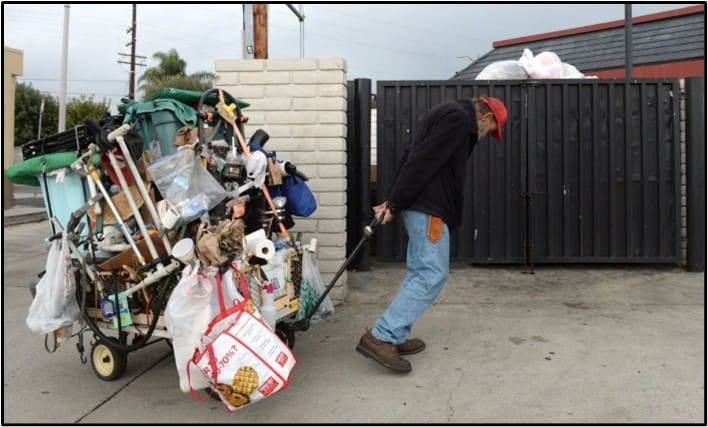
In the heart of a bustling city, where the shadows of skyscrapers stretch long into the evening, lived a man named Chris. For years, Chris had roamed the streets, living day to day with no permanent shelter, a life that had become a tangled web of challenges and dangers.
The allure of freedom had once drawn Chris to this lifestyle. But over time, he discovered that the cost of this freedom was far greater than he had anticipated. The streets, with all their raw reality, held countless perils.
1. Health Risks: Chris often found himself battling illnesses, from common colds to more severe infections. The lack of proper hygiene, regular meals, and healthcare took a toll on his body. Sleeping in the open exposed him to the elements, leading to chronic health issues that went untreated.
2. Safety Concerns: Each night, as darkness fell, Chris faced a new set of dangers. The streets were unpredictable, and violence was a constant threat. Fights broke out over scarce resources, and he often felt vulnerable to theft and assault. The sense of insecurity weighed heavily on him.
3. Mental Strain: The psychological impact of homelessness was another invisible burden. The constant stress of survival, the isolation from society, and the stigma attached to being homeless chipped away at Chris’s mental well-being. He found it hard to hold onto hope or a sense of purpose.
4. Substance Abuse: The temptation to numb the pain with drugs or alcohol was ever-present. Many of Chris’s peers had fallen into the trap of addiction, a dark path that only deepened their struggles. He saw how substance abuse offered a fleeting escape but led to a vicious cycle that was hard to break.
5. Lack of Stability: Without a stable place to call home, Chris found it difficult to secure a job, save money, or plan for the future. Every day was a battle for necessities, leaving little room for progress or self-improvement. The lack of an address alone was a barrier to many opportunities.
6. Social Isolation: The stigma of homelessness created a chasm between Chris and the rest of society. He was often met with judgment, pity, or indifference. This social isolation made it hard for him to reconnect with his community and find support.
7. Legal Challenges: Chris also faced legal hurdles. From trespassing laws to city ordinances against camping in public spaces, he was constantly at risk of fines or arrest.
The legal system, instead of offering help, often acted as another obstacle. Recognizing these dangers, Chris decided it was time to find a way out.
He reached out to local shelters and advocacy groups, seeking the support he needed to transition back into stable housing.
The road was not easy, but with determination and the right resources, Chris began to rebuild his life. He found a job through a workforce development program, accessed healthcare services to address his health issues, and connected with a support group that provided emotional and social support.
Slowly but surely, Chris started to regain a sense of stability and hope for the future. The story of Chris highlighted the many reasons to stop being homeless.
It was not just about finding a roof over his head but reclaiming his health, safety, dignity, and future. With the right support and opportunities, he proved that escaping the cycle of homelessness was possible.
📜Disclaimer
← Back to All Series
Image & Digital Materials Use Notice
By the Street Sentinel