
Managing the Flame
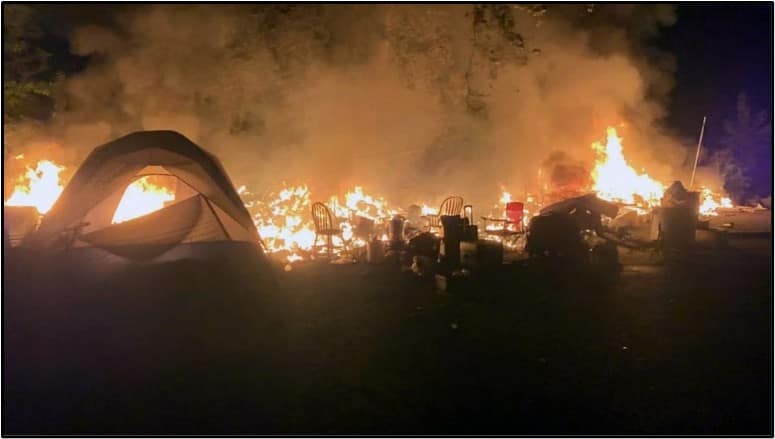
In the quiet corners of Stockton, where the shadows of night fall heavily, a small fire flickered under a bridge. It was a familiar sight: homeless individuals gathering around the warmth, cooking a simple meal, trying to keep the chill at bay.
But these fires, while a source of comfort, often lacked the safety protocols needed to prevent disaster. Among the group was Leo, a man who had lived on the streets for years. He had seen the dangers firsthand
One winter night, a fire had gotten out of control, turning a makeshift camp into a scene of chaos and destruction. It was a harsh reminder of the importance of care, respect, and paying attention when managing the flame. Leo understood the necessity of fire but also the inherent risks.
He took it upon himself to educate his fellow homeless friends about basic fire safety. “We need to respect the flame,” he would say. “It gives us warmth, but it can also take everything away
Things to do for the flame:
1. Safe Location: Leo emphasized the importance of choosing a safe spot for the fire, away from flammable materials and structures. He taught them to clear the area of debris and ensure there was ample space for the fire to burn safely.
2. Containment: Using stones or metal barriers, they created makeshift fire pits to contain the flames. This simple step made a significant difference in preventing the fire from spreading uncontrollably.
3. Supervision: “Never leave a fire unattended,” Leo would remind them. Whether for cooking or warmth, the fire needed constant supervision. It was a shared responsibility, with each person taking turns to keep watch.
4. Extinguishing: Before moving on, they made sure to fully extinguish the fire. They doused the flames with water or covered them with dirt, ensuring no embers were left smoldering.
5. Awareness: Leo also stressed the importance of being aware of the surroundings and the potential hazards. He encouraged the group to always have an emergency plan in place, knowing where to find water or fire extinguishers if needed. Despite their efforts, the dangers were ever-present.
One evening, a gust of wind caused sparks to fly from their fire, igniting nearby trash. The group sprang into action, using the lessons Leo had taught them to quickly put out the flames. It was a close call, but their preparedness had averted disaster.
Leo’s story spread through the homeless community, a beacon of hope and a call to action. His commitment to safety and respect for the flame became an example for others.
Local shelters and outreach programs took note, incorporating fire safety education into their services. The story of managing the flame was more than just about preventing fires; it was a testament to the power of care, respect, and paying attention.
It showed that even in the most challenging circumstances, taking responsibility and looking out for one another could make all the difference.
📜Disclaimer
← Back to All Series
Image & Digital Materials Use Notice
By the Street Sentinel