
The Policy of People: A Call for Change
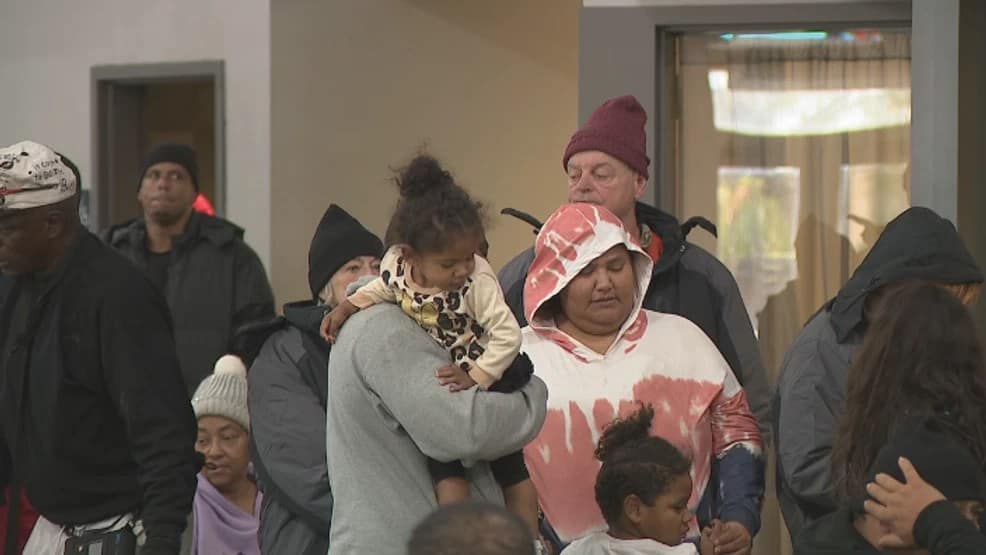
Our society often likes to tell itself that we’ve left behind the rigid class divisions of the past, but a closer look reveals that this is far from the truth. Today, these divisions persist under different labels like middle class, poor, and rich. Beyond these monetary distinctions, society imposes additional titles rooted in race, social status, or even appearance.
But the focus shouldn’t be on the existence of these labels; rather, it should be on how we treat those who fall beneath even the poorest rung,” the homeless.” Homelessness is more than a failure of resources; it is a failure of empathy and systemic understanding. It lays bare the cracks in our societal structures, reminding us how quickly a person can become invisible in the eyes of the world.
For those who have fallen through these cracks, money alone will not solve the problem. While financial resources are necessary, they are not sufficient to bring about real, lasting change. We must shift our focus to education, cultural reintegration, and address the root causes that perpetuate homelessness.
Just as we prepare our youth through education to navigate life and contribute to society, we must adopt a similar philosophy for tackling homelessness. This doesn’t mean simply teaching individuals how to survive it means showing them how to thrive.
Education in this sense must go beyond academic learning. It needs to address life skills, emotional reintegration, and fostering a sense of purpose and belonging. We must combat the negative societal influences that keep the cycle of homelessness alive, such as exploitation, addiction, and stigma. These forces shape not only how others view the homeless but also how the homeless see themselves.
The challenge, of course, lies in the complexities of adulthood and the rights of individuals. It is difficult to impose structured interventions on adults who may resist them, but this doesn’t mean the task is impossible. Society already operates with structures designed to educate, guide, and mentor its youth. If we can extend similar structures to adults experiencing homelessness, tailored to their unique circumstances, we can create pathways to reintegration.
The process won’t be easy, and it won’t be quick. But real solutions rarely are. What’s important is that we focus on fostering accountability and rebuilding trust, both within the homeless population and their communities. When people believe they have a place and a purpose, they are more likely to invest in their own futures and the well-being of those around them. Homelessness is not just a challenge of survival; it’s a challenge of integration.
Our goal should be to transform individuals from being outcasts to active, valued members of society. This isn’t just about housing or even employment; it’s about rebuilding connections, purpose, and hope. Only then can we truly address the systemic issues at the heart of homelessness and ensure that we are not merely putting a Band-Aid on the problem but healing it at its core.
By the Street Sentinel