
The Reality of Creaming

In the bustling city of Stockton, California, where the disparity between wealth and poverty is stark, the homeless community faces an uphill battle. Within this community, there exists an unspoken reality, known only to a few as “creaming.” It’s a system where those deemed most likely to bounce back from hardship with minimal assistance are prioritized for help first.
Meanwhile, the so-called “undesirables,” who struggle with deeper challenges, often find themselves left behind. Amid this reality, two families represent the contrasting outcomes of this system. The first family, the O’Connors, consists of a determined mother, Fauna, her teenage daughter, Lily, and her young son, Max. Fauna, though having fallen into hard times after a sudden job loss, is resourceful and driven.
She has a solid work history and a support network that, with a bit of help, can quickly propel her family back onto its feet. They are identified as part of the “cream” and receive immediate support from local shelters and social services. Within months, Fauna secures a stable job, and the family moves into a small but comfortable apartment. Lily excels in school, and Max begins to flourish in his new environment.
Fauna’s resilience and proactive approach impress the local shelter’s staff. She attends every job fair and community meeting, always looking for opportunities to improve her situation. The shelter staff assists by connecting her with job training programs and temporary housing solutions. Fauna’s determination pays off when she lands a job as an administrative assistant at a nearby business.
This job provides the stability she needs to secure permanent housing for her family. In stark contrast, the second family, the Parkers, faces a much harsher reality. John Parker, a single father, battles with severe mental health issues that have been exacerbated by years of living on the streets.
His two daughters, Emma and Sophie, knew nothing but instability. Despite John’s best efforts to protect and provide for them, his struggles make it nearly impossible for him to hold down a job or secure stable housing. The Parkers are deemed “undesirable” and receive minimal assistance.
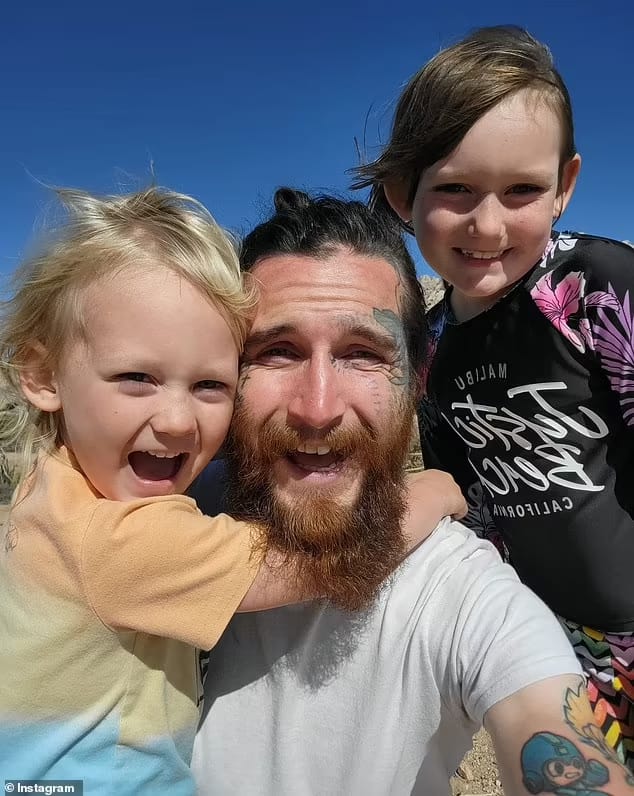
They sleep on cardboard boxes in alleyways, invisible to the system that is supposed to help them. John’s mental health issues stem from a traumatic past and years of untreated depression. He experiences severe anxiety that often prevents him from seeking help or attending job interviews. Emma and Sophie, though young, display remarkable resilience.
They attend a local public school, where teachers notice their potential and offer them support in the form of extra tutoring and supplies. However, in the shadows of this harsh system, there are those who refuse to accept the status quo. Maria, a dedicated social worker, sees the injustice of “creaming” and is determined to change it. She tirelessly advocates for the Parkers, connecting them with mental health services for John and ensuring Emma and Sophie have access to education and nutritious meals.
Her efforts begin to make a difference, and slowly, the Parker family starts to see a glimmer of hope. Maria’s approach involves building trust with John, which takes time and patience.
She connects him with a local mental health clinic that provides counseling and medication. She also works with the school to ensure Emma and Sophie have the resources they need to succeed.
As John’s mental health begins to stabilize, he becomes more involved in his daughters’ education and starts attending support group meetings. Through Maria’s persistence, John gets the treatment he desperately needs, and with newfound stability, he finds part-time work. Emma and Sophie, no longer worried about their next meal or where they will sleep, begin to thrive in school.
The Parker family’s story becomes a beacon of hope in the community, demonstrating that with the right support, even those facing the greatest challenges can turn their lives around. In the end, “The Cream” highlights the stark realities of the “creaming” system, but it also underscores the importance of compassion and perseverance.
It’s a call to action to recognize the value in every individual and to ensure that help and hope are extended to all, regardless of their circumstances. Despite the systemic challenges, Fauna and John form an unlikely friendship. They share their experiences and support each other, bridging the gap between the “cream” and the “undesirables.”
Together, they advocate for more inclusive policies and programs that provide comprehensive support for all homeless individuals and families. Their efforts lead to increased awareness and changes in local policies, ensuring that no one is left behind.
Fauna’s success story serves as a reminder that with the right support, people can overcome their circumstances. John’s journey, on the other hand, highlights the importance of addressing mental health issues and providing holistic support.
Disclaimer: This is a work of fiction. Names, characters, places, and incidents are either the product of the author’s imagination or are used fictitiously. Any resemblance to actual persons, living or dead, events, or locales is entirely coincidental. The author does not endorse or condone any actions or behavior depicted in this story. Any opinions expressed are solely those of the characters and do not reflect the views of the author or any affiliated entities.
← Back to All Series
Image & Digital Materials Use Notice
By the Street Sentinel