
The Others: Addressing
the Homeless Who Reject Shelter
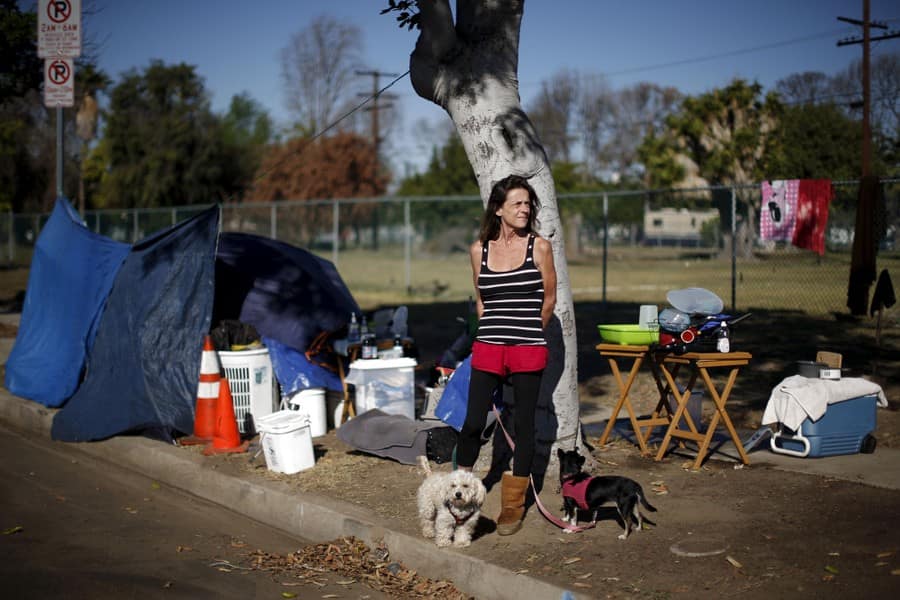
Homelessness policies tend to focus on families, single women, and, to a lesser extent, men. But a persistent challenge remains: What should be done about homeless individuals who refuse shelter or reject structured reintegration programs?
A recent proposal suggests criminalizing homelessness by mandating shelter acceptance, meaning anyone who refuses aid could face jail time. However, this approach only creates more problems.
First, jails lack the space to accommodate large numbers of homeless individuals, making incarceration impractical and costly. Second, after serving time, these individuals remain homeless, perpetuating the cycle rather than breaking it.
Another key challenge is the 5150 population, individuals with severe mental illness who cannot easily integrate into traditional communities. They require specialized care and housing solutions that don’t fit the existing shelter model. Ignoring their needs leads to failed reintegration efforts.
But solutions do exist. If society can accommodate immigrants with housing, employment, and structured assistance, similar strategies can be applied to homeless individuals. Several successful programs demonstrate that tailored approaches, not blanket policies, are the key to lasting change.
Proven Models for Reintegration
Rather than criminalizing homelessness, policymakers should focus on specialized housing and employment programs designed for different types of homelessness. Some cities have already embraced successful reintegration models:
– The Doe Fund (in New York City) – Provides paid work opportunities for homeless individuals, particularly in street cleaning and maintenance. Participants live in structured housing while gaining career-readiness training.
– Back on My Feet (is Nationwide) – Uses exercise programs to build discipline and self-confidence before transitioning participants into job training and housing assistance.
– Community First! A Village (in Austin, TX) – Offers permanent tiny homes in a self-sustaining community designed for chronically homeless individuals, incorporating employment and social services to ensure reintegration success.
Inspired by these models, governments should invest in:
– Tiered Housing Models – Instead of rigid shelters, provide a range of housing options, from independent living to structured environments, allowing individuals to transition at their own pace.
– Employment-Driven Solutions – Develop paid work programs tailored for those resistant to traditional shelters, ensuring they can contribute meaningfully to society while gaining stability.
– Long-Term Mental Health Support – Establish facilities dedicated to 5150 individuals where psychiatric treatment, social rehabilitation, and reintegration strategies are prioritized.
Blanket policies fail because homelessness is complex. Recognizing that different individuals require different solutions is the first step toward sustainable change.
By the Street Sentinel