
The Hidden Toll Series: Part 1 How Laws Deepen the Struggles of Homeless Communities
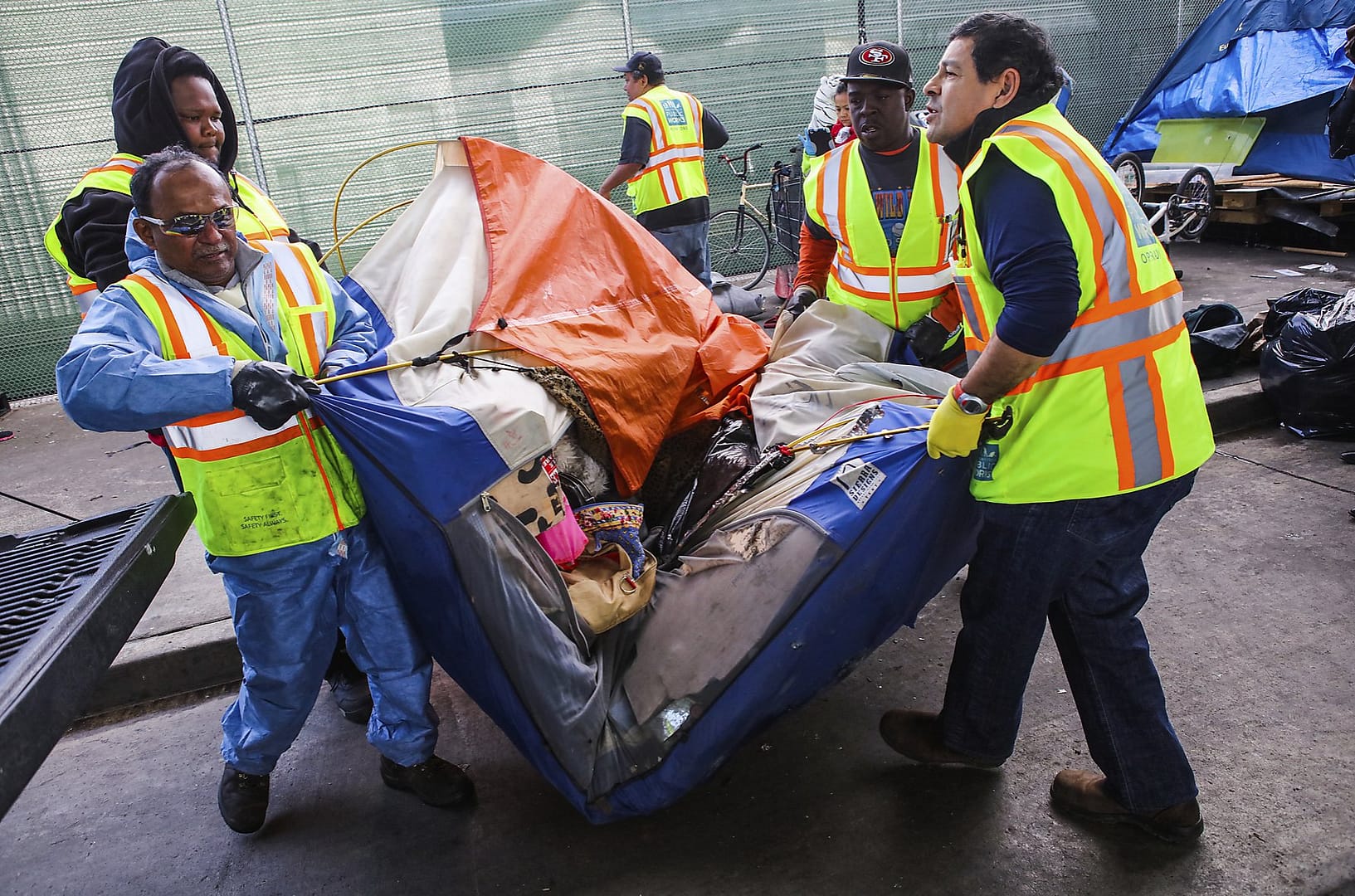
Laws impacting homeless populations often create more obstacles than solutions, deepening cycles of poverty and vulnerability rather than fostering meaningful change. While policies may aim to maintain public order, their effects frequently punish those with nowhere else to turn.
- Criminalization: Many local ordinances criminalize essential survival behaviors, such as sleeping in public spaces, loitering, or even sharing food. This results in frequent arrests and fines, trapping individuals in a cycle of legal troubles that worsen their plight. Without the means to pay fines or afford legal defense, minor infractions can spiral into long-term criminal records, limiting future opportunities.
- Barriers to Housing and Employment: A criminal record can prevent individuals from securing stable housing and employment, perpetuating their homelessness. Many landlords and employers conduct background checks, shutting out those who have faced legal consequences simply for existing in public spaces. Instead of addressing root causes, these laws push people further into hardship.
- Increased Vulnerability: When homeless individuals are pushed out of public areas, their safety and well-being are further compromised. Constant displacement makes accessing social services, healthcare, and safe shelter difficult. The lack of stable rest and protection increases their exposure to violence, illness, and exploitation.
- Social Stigma: Policies that target homelessness reinforce harmful stereotypes, portraying those in need as burdens rather than individuals deserving of support. Public perception shifts from empathy to avoidance, making it even harder for affected individuals to regain dignity and reintegrate into society.
- Failure to Address Root Causes: While laws may focus on reducing visible homelessness, they fail to offer lasting solutions. Banning encampments or restricting aid only masks the issue rather than solving it. Without comprehensive investments in affordable housing, healthcare access, and employment support, homelessness remains a growing crisis rather than a diminishing problem.
Breaking the Cycle
Rather than penalizing survival, cities must invest in long-term solutions, such as housing-first initiatives, mental health support, job training programs, and accessible social services. Criminalization has never solved homelessness; empowerment and systemic reform are the only true paths forward.
Collected by the Street Sentinel